
Blog
What Is Crystal Meth?

What Is Crystal Meth?
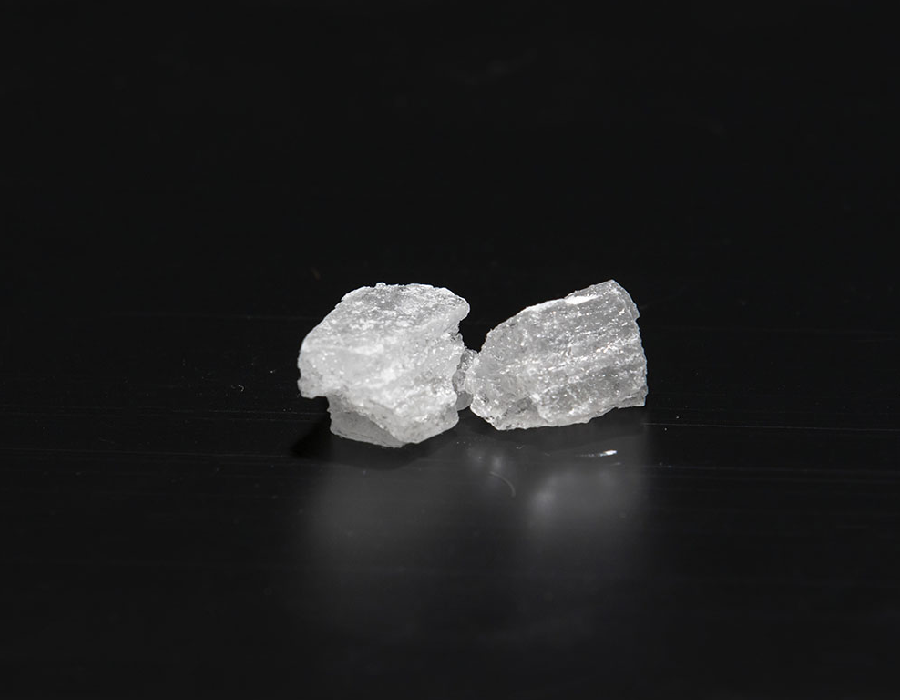
Crystal meth, short for crystal methamphetamine, is a powerful and highly addictive stimulant drug that affects the central nervous system. It typically appears as clear or bluish-white crystal-like rocks and is commonly smoked, snorted, swallowed, or injected. Due to its strong stimulant properties, crystal meth can produce intense feelings of energy, alertness, and euphoria.
How Crystal Meth Works
Crystal meth increases the release of dopamine, a chemical messenger in the brain associated with pleasure, motivation, and reward. The sudden surge of dopamine creates a powerful “high,” but repeated use can damage the brain’s natural ability to produce and regulate this important neurotransmitter.
Short-Term Effects of Crystal Meth
The immediate effects of crystal meth may include:
Increased Energy and Alertness
Users often feel highly energetic, focused, and awake for extended periods.
Euphoria
Crystal meth can create intense feelings of happiness and confidence.
Reduced Appetite
Many users experience a significant decrease in hunger, which can lead to rapid weight loss.
Increased Heart Rate
The drug can cause elevated blood pressure, rapid heartbeat, and increased body temperature.
Sleep Disturbances
Users may stay awake for long periods, sometimes for days at a time.
Long-Term Effects of Crystal Meth
Prolonged use of crystal meth can have serious physical and mental health consequences.
Brain Damage
Long-term meth use can affect memory, decision-making, emotional control, and cognitive function.
Severe Dental Problems
“Meth mouth” is a common condition characterized by tooth decay, gum disease, and tooth loss.
Skin Problems
Many users develop sores and infections due to excessive scratching and poor hygiene.
Mental Health Issues
Crystal meth use has been linked to anxiety, depression, paranoia, aggression, and psychosis.
Addiction
Methamphetamine is highly addictive, making it difficult for users to stop without professional support.
Signs of Crystal Meth Addiction
Common signs of meth addiction include:
- Extreme weight loss
- Frequent mood swings
- Sleep problems
- Hyperactivity
- Neglect of personal hygiene
- Financial or legal difficulties
- Obsessive drug-seeking behavior
Health Risks and Dangers
Crystal meth can significantly increase the risk of heart attacks, strokes, seizures, and overdose. Chronic use may also weaken the immune system and increase susceptibility to infections. The drug’s impact on mental health can lead to dangerous behaviors and long-term psychological problems.
Treatment and Recovery
Recovery from crystal meth addiction is possible with the right support. Treatment options may include:
Behavioral Therapy
Counseling and cognitive behavioral therapy (CBT) help individuals understand and change harmful behaviors.
Support Groups
Peer support programs provide encouragement and accountability during recovery.
Medical Supervision
Healthcare professionals can assist with withdrawal symptoms and long-term recovery planning.
Lifestyle Changes
Healthy nutrition, exercise, and proper sleep can support healing and improve overall well-being.
Conclusion
Crystal meth is a dangerous and highly addictive stimulant that can cause severe physical, mental, and emotional harm. Understanding its effects, risks, and treatment options is essential for preventing addiction and supporting recovery. Seeking professional help early can greatly improve the chances of successful long-term recovery.